
Business websites
How should a corporate website handle Arabic and English?
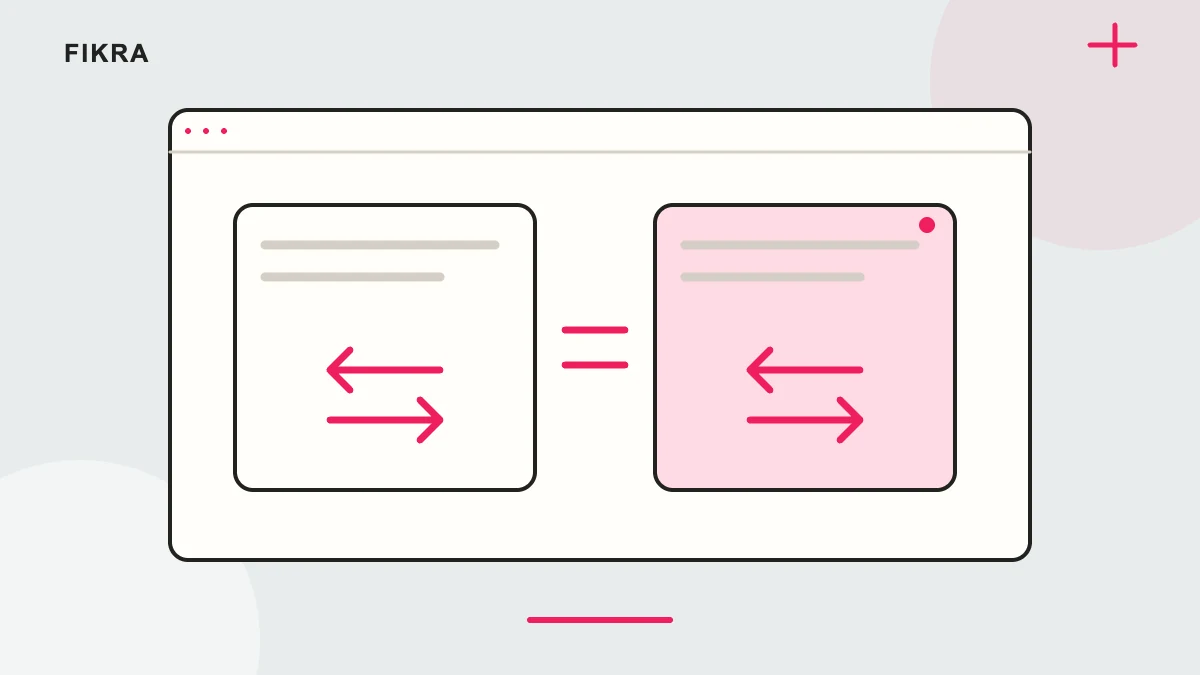
Write each version for its reader. Keep the facts equivalent, but do not force Arabic to follow English sentence structure word for word.
Translate the meaning and the journey
Agree the names of services and recurring terms, then review a complete route from introduction to enquiry. A menu in Arabic above English service details is not enough. Use separate language URLs and link to the equivalent page. When the service changes, update both versions together. Let an Arabic reader check whether the copy answers the question naturally, not merely whether every English phrase has an Arabic replacement.
Create a language inventory
List service descriptions, project evidence, forms, contact details and documents. Decide what genuinely needs both versions. Use a glossary for business terms so the same service is not described inconsistently across pages.
Publish usable language routes
Google recommends separate URLs for language versions and appropriate language links. Keep the equivalent page easy to reach. Review right-to-left layout and mixed English names without mirroring logos or changing product identity.
Maintain equivalence over time
When a service changes, update both versions and their metadata. Record anything intentionally available in one language. Test the enquiry route from the Arabic page so a language switch does not unexpectedly lose the visitor’s context.
Start with one page in both languages
Take your main service page and write it for each audience. Keep the offer, contact route and service limits consistent, but let the sentences differ. Ask a colleague to read the Arabic without seeing the English: if they cannot explain what you offer, the translation needs another pass.
Official references
Request a free call
Considering Shopify for your business? Request a free call to discuss your products and priorities. We agree the scope before work starts.
Request a free call